The ROI of Professional Office Fit Outs: Why Quality Design Lowers Employee Turnover sets the stage for this enthralling narrative, offering readers a glimpse into a story that is rich in detail with casual formal language style and brimming with originality from the outset.
The content of the second paragraph that provides descriptive and clear information about the topic
Importance of Professional Office Fit Outs
Professional office fit outs play a crucial role in shaping the work environment and impacting employee satisfaction and productivity.
Impact on Employee Productivity
- A well-designed office space can promote collaboration and communication among employees, leading to increased productivity.
- Optimal layout and ergonomic furniture can reduce distractions and create a conducive work environment, boosting focus and efficiency.
Enhancing Employee Morale
- Strategically designed offices with natural lighting, comfortable seating, and aesthetically pleasing elements can uplift employee mood and motivation.
- Personalized workspaces or relaxation areas can help employees feel valued and enhance their overall job satisfaction.
Aesthetics and Employee Satisfaction
- Appealing office aesthetics contribute to a positive work culture, fostering a sense of pride and belonging among employees.
- Well-designed spaces can create a welcoming atmosphere that encourages creativity and innovation, leading to higher employee satisfaction levels.
Cost-Benefit Analysis of Quality Design
Investing in professional office fit outs may require a significant initial cost, but the long-term benefits can outweigh this expense.
Improved Employee Retention Rates
A well-designed office space can contribute to higher employee satisfaction and morale, leading to improved retention rates. Employees are more likely to feel valued and motivated in a comfortable and aesthetically pleasing work environment.
Cost-Saving Measures in the Long Run
Quality design can offer cost-saving measures over time by optimizing space utilization, improving efficiency, and reducing maintenance and repair costs. Well-designed offices can enhance productivity and collaboration among employees, ultimately leading to better business outcomes.
Employee Turnover and Office Design
When it comes to the issue of employee turnover, office design plays a crucial role in influencing the rates at which employees decide to stay or leave a company. The environment in which employees work can have a significant impact on their job satisfaction, productivity, and overall well-being. A well-designed office space can create a positive work environment that fosters employee engagement and retention.Impact of Office Design on Employee Turnover
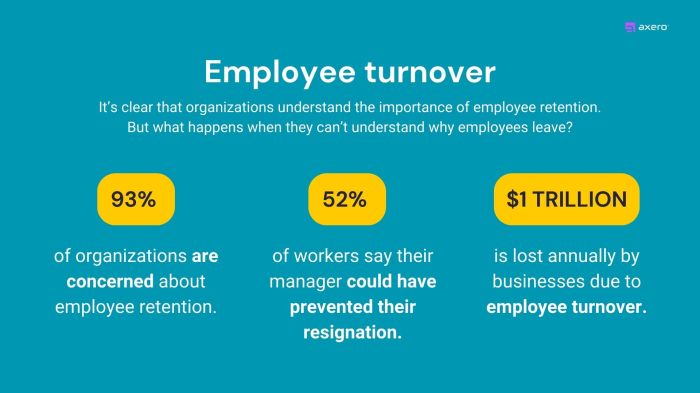
Office design has been shown to have a direct correlation with employee turnover rates. Studies have found that employees who work in well-designed office spaces are more satisfied with their jobs and are less likely to leave their positions. On the other hand, employees who work in poorly designed or outdated office environments are more likely to feel disengaged and unhappy, leading to higher turnover rates.Statistics on Office Design and Turnover
According to a study by the American Society of Interior Designers, 68% of employees are dissatisfied with their office environment, which can contribute to higher turnover rates. In contrast, companies that invest in quality office design see a decrease in turnover rates by up to 10%. This highlights the importance of creating a workspace that prioritizes employee comfort, collaboration, and well-being.Role of Quality Design in Creating a Conducive Work Environment
Quality office design goes beyond aesthetics; it focuses on creating a space that supports employee well-being, productivity, and collaboration. Features such as ergonomic furniture, natural lighting, designated collaboration areas, and biophilic design elements can all contribute to a more positive work environment. By investing in quality design, companies can show their commitment to employee satisfaction and retention, ultimately reducing turnover rates and improving overall productivity.Elements of a Well-Designed Office Space
 Creating a well-designed office space involves considering various elements that directly impact employee productivity and satisfaction. Each element plays a crucial role in shaping the overall work environment and can significantly influence employee retention.
Layout
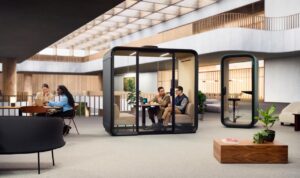
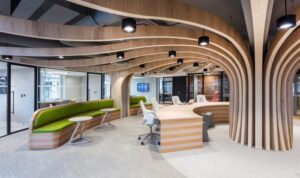
The layout of an office space determines how employees interact with each other and their environment. An open layout fosters collaboration and communication, while private spaces allow for focused work. It is essential to strike a balance between open and private areas to cater to different work styles.
Lighting
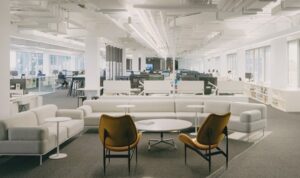
Proper lighting is essential for maintaining employee comfort and productivity. Natural light can boost mood and energy levels, while artificial lighting should be adjustable to prevent eye strain and fatigue. Incorporating a mix of natural and artificial light sources can create a well-lit and inviting workspace.
Furniture
The choice of furniture impacts both comfort and ergonomics in the office. Providing ergonomic chairs and adjustable desks can help reduce the risk of musculoskeletal issues and improve overall well-being. Additionally, incorporating versatile furniture that supports different work activities can enhance productivity.
Color Schemes
The color scheme of an office can influence mood, creativity, and focus. Warm colors like red and orange can energize employees, while cool colors like blue and green promote a sense of calm and concentration. It is essential to choose colors that align with the company culture and the desired atmosphere in the workspace.
Conclusive Thoughts
The content of the concluding paragraph that provides a summary and last thoughts in an engaging manner
Answers to Common Questions
What is the impact of office design on employee productivity?
Office design can significantly impact employee productivity by creating a workspace that is conducive to focus and efficiency.
How does quality design lower employee turnover?
Quality design can enhance employee satisfaction and morale, leading to higher retention rates and lower turnover.
What elements contribute to a well-designed office space?
Elements like layout, lighting, furniture, and color schemes play a crucial role in creating a productive work environment.