Beginning with Office Fit Outs: Transforming Corporate Spaces for Peak Productivity in 2026, this introductory paragraph aims to engage readers with a clear and captivating overview of the topic.
Continuing with detailed information to set the stage for a comprehensive discussion
Office Fit Outs
Office fit outs refer to the process of designing and furnishing a workspace to meet the specific needs of a company. These customizations can include layout changes, furniture selection, lighting adjustments, and overall aesthetic enhancements. The significance of office fit outs lies in their ability to create a functional and inspiring environment that promotes productivity, collaboration, and employee well-being.
Evolution of Office Fit Outs
Over the years, office fit outs have evolved from basic cubicle arrangements to more open and flexible layouts that prioritize employee comfort and satisfaction. The shift towards activity-based working environments, incorporating elements like hot desking, breakout areas, and collaboration zones, has become increasingly popular. These changes are aimed at fostering creativity, communication, and efficiency within the workplace.
Impact on Employee Productivity
- Improved Ergonomics: Office fit outs that prioritize ergonomic furniture and design elements can enhance employee comfort and reduce the risk of workplace injuries, leading to increased productivity.
- Enhanced Collaboration: Incorporating collaborative spaces and technology solutions in office fit outs can facilitate teamwork and idea sharing among employees, boosting overall productivity.
- Inspiring Aesthetics: Creative and visually appealing office fit outs can stimulate employee creativity and motivation, resulting in higher levels of productivity and innovation.
Successful Office Fit Out Projects
Several companies have implemented successful office fit out projects that have positively impacted employee productivity. For example, Google's office spaces are known for their vibrant colors, flexible layouts, and recreational areas, which have contributed to a culture of creativity and innovation. Similarly, Airbnb's office fit outs reflect the company's commitment to diversity and inclusion, with designs that inspire collaboration and community building.
Trends in Office Fit Outs
Office fit outs in 2026 are witnessing several emerging trends that set them apart from previous years. These trends are shaping the way corporate spaces are designed and utilized to enhance productivity and well-being.
Sustainability and Eco-Friendly Designs
Sustainability and eco-friendly designs have become central to modern office fit outs. Companies are increasingly prioritizing environmentally conscious practices by using recycled materials, energy-efficient lighting, and green spaces within the office.
Technology Integration, Flexible Workspaces, and Ergonomic Furniture
The integration of technology, flexible workspaces, and ergonomic furniture is revolutionizing office fit outs. Smart office solutions, adaptable layouts, and comfortable seating options are being incorporated to support the changing needs of employees and promote collaboration.
Design Elements for Optimal Productivity
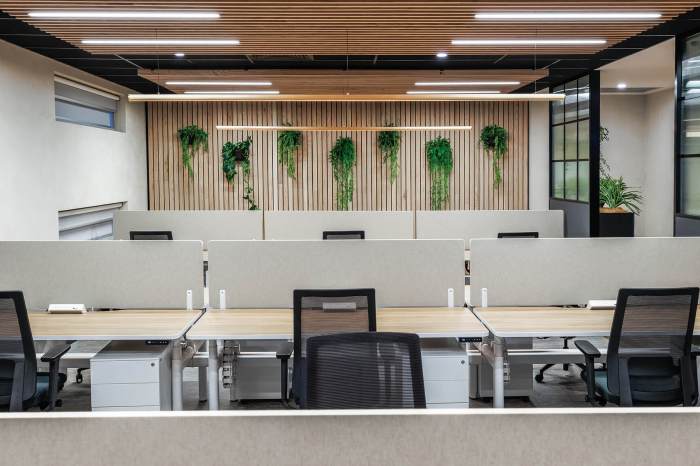 Creating a productive work environment is essential for maximizing employee performance and well-being. Several key design elements play a crucial role in achieving this goal.
Natural Light
Natural light is a fundamental element in office design that has a significant impact on employee well-being and productivity. Exposure to natural light has been linked to improved mood, energy levels, and overall job satisfaction. By incorporating large windows, skylights, and open spaces, offices can harness the benefits of natural light to create a more inviting and stimulating work environment.
Color Schemes
The choice of color schemes in office spaces can greatly influence employee mood and productivity. Different colors have been shown to evoke specific emotions and behaviors. For example, blue is often associated with calmness and focus, while yellow can enhance creativity and positivity. By carefully selecting color palettes for different areas of the office, designers can create a harmonious atmosphere that promotes productivity and well-being.
Indoor Plants
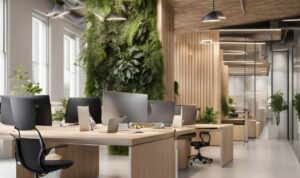
Integrating indoor plants into office spaces not only adds a touch of nature but also offers numerous benefits for employees. Plants help improve air quality, reduce stress, and increase productivity. By strategically placing greenery throughout the office, designers can create a more vibrant and refreshing environment that enhances employee well-being.
Collaborative Spaces
Collaborative spaces are essential for fostering teamwork, creativity, and innovation in the workplace. By providing designated areas for group meetings, brainstorming sessions, and informal discussions, offices can encourage collaboration and idea-sharing among employees. These spaces promote a sense of community and camaraderie, leading to increased productivity and job satisfaction.
Breakout Areas
Breakout areas offer employees a chance to relax, recharge, and socialize during work hours. These spaces are designed to provide a change of scenery and a break from the daily routine, allowing employees to rejuvenate and return to work with renewed focus and energy. By incorporating comfortable seating, recreational activities, and refreshment stations, breakout areas can contribute to overall employee well-being and productivity.
Privacy Zones
Privacy zones are essential for employees who require concentration and focus on individual tasks. By creating designated areas for quiet work, phone calls, or personal reflection, offices can cater to the diverse needs of their workforce. Privacy zones help reduce distractions, enhance productivity, and respect employees' need for personal space and quietude.
Budgeting and Planning for Office Fit Outs
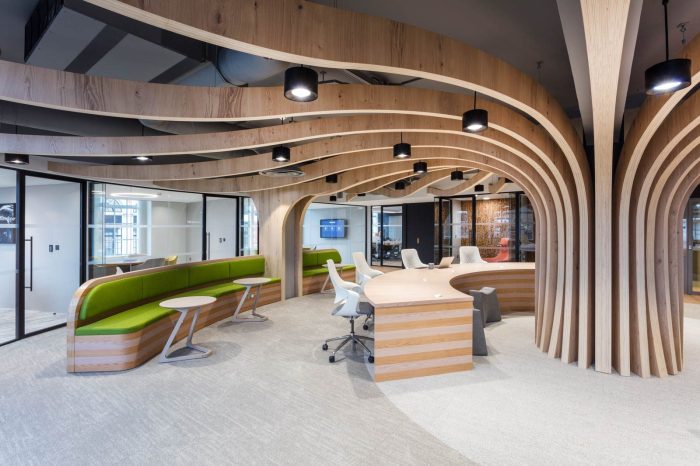 Effective budgeting and meticulous planning are crucial components of a successful office fit out project. By allocating resources strategically and adhering to a well-thought-out plan, companies can transform their corporate spaces while staying within budget constraints.
Importance of Strategic Planning
Strategic planning is the foundation of a successful office fit out project. It involves defining clear objectives, setting realistic timelines, and identifying key resources needed for the project. Without a solid plan in place, companies may encounter delays, cost overruns, and other challenges that can impede the overall success of the fit out.- Define project goals and objectives to guide decision-making throughout the fit out process.
- Create a detailed timeline that Artikels key milestones and deadlines to ensure timely completion of the project.
- Allocate resources efficiently, including budget, manpower, and materials, to prevent any bottlenecks or shortages.
- Regularly review and adjust the plan as needed to address any unexpected issues or changes in project scope.
Cost-effective Solutions and Innovative Ideas
While budget constraints may pose challenges, there are several cost-effective solutions and innovative ideas that companies can explore to transform their corporate spaces without breaking the bank. By thinking creatively and leveraging resources wisely, businesses can achieve a stylish and functional office environment that boosts productivity and employee morale.- Consider refurbishing existing furniture and fixtures instead of purchasing new ones to save costs.
- Opt for sustainable materials and energy-efficient solutions to reduce long-term operational expenses.
- Explore flexible workspace design concepts that maximize space utilization and accommodate different work styles.
- Engage with local vendors and suppliers to take advantage of discounts and promotions for bulk purchases.
Case Studies and Success Stories
In the world of office fit outs, real-life examples of successful transformations can provide valuable insights into the positive outcomes that can be achieved. Let's explore some case studies and success stories of companies that have embraced innovative office design solutions to enhance productivity and employee well-being.Company A: From Traditional to Modern
- Company A, a traditional law firm, decided to undergo a complete office fit out to create a more collaborative and dynamic workspace.
- By incorporating open-plan work areas, breakout zones, and flexible meeting rooms, Company A saw a significant increase in employee engagement and interaction.
- The new office design also led to improved communication among team members, resulting in faster decision-making processes and increased productivity.
Company B: Prioritizing Employee Well-being
- Company B, a tech startup, focused on creating a wellness-centered office environment during their fit out process.
- With features like standing desks, natural lighting, and indoor plants, employees reported higher levels of satisfaction and overall well-being.
- The emphasis on employee health and comfort not only boosted morale but also reduced absenteeism and improved overall performance.
Summary
Concluding with a summary that encapsulates the key points discussed, leaving readers with a lasting impression of the importance of office fit outs for productivity in 2026.
FAQ Guide
What are some key design elements that contribute to a productive work environment?
Key design elements include natural light, color schemes, and collaborative spaces that enhance employee well-being and performance.
How can companies effectively budget for an office fit out project?
Companies can create a comprehensive budget by strategically planning, allocating resources, and exploring cost-effective solutions within budget constraints.